La Vela Saigon Hotel
District 3 · 2.3 km from the centre
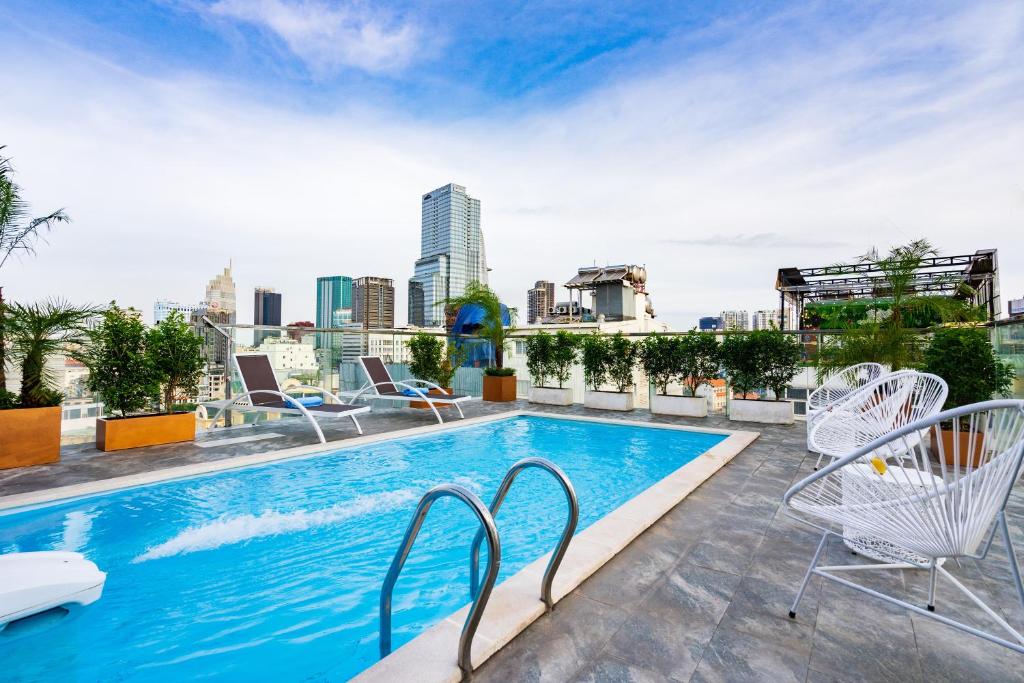
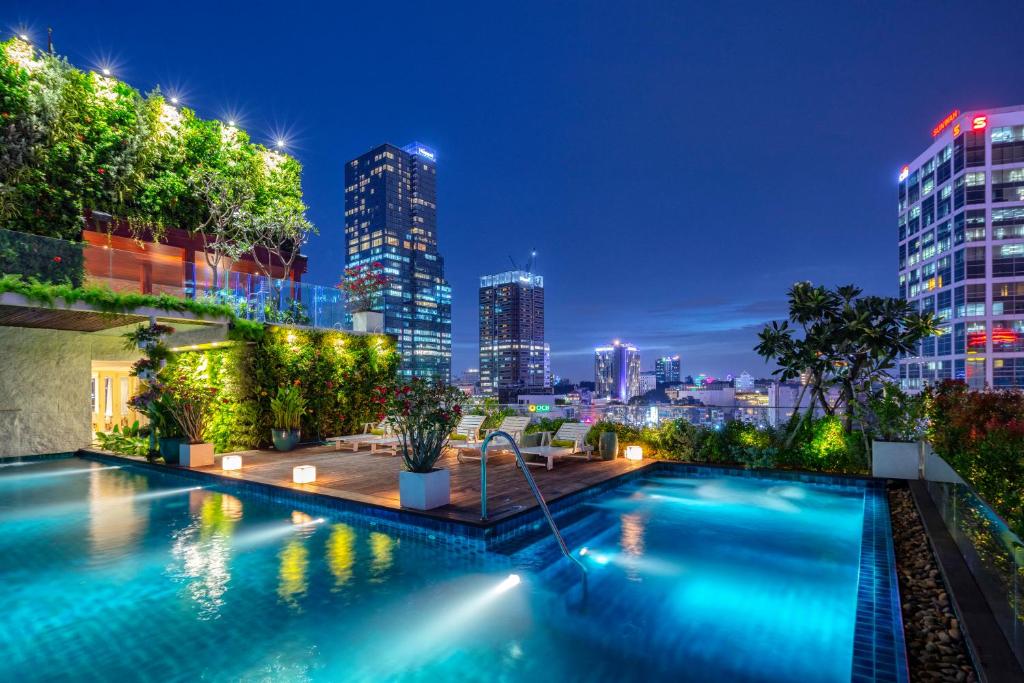
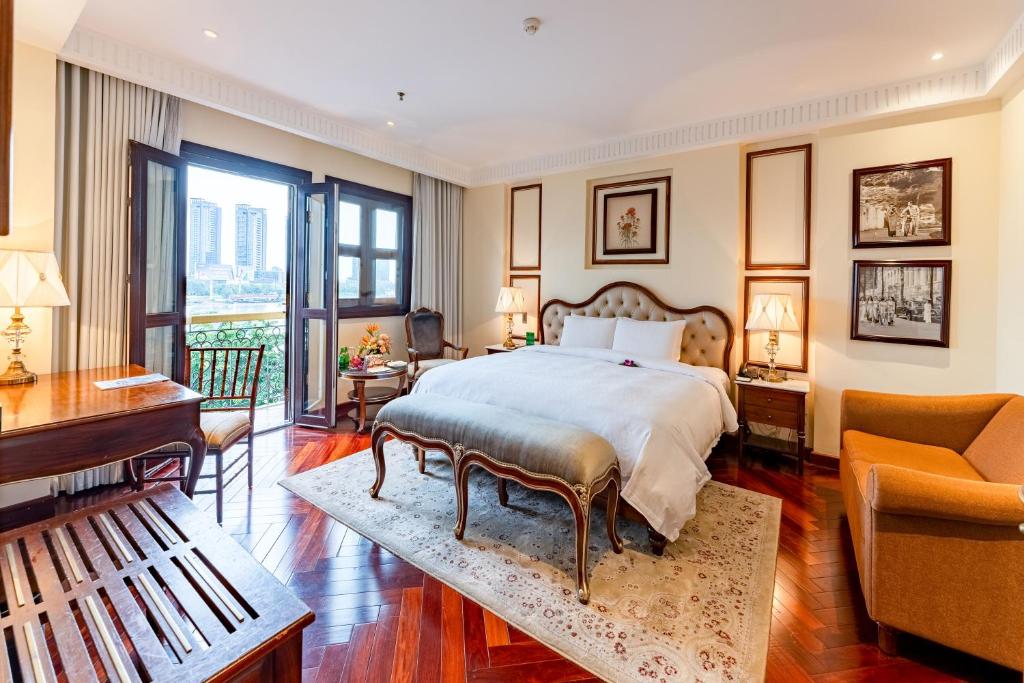
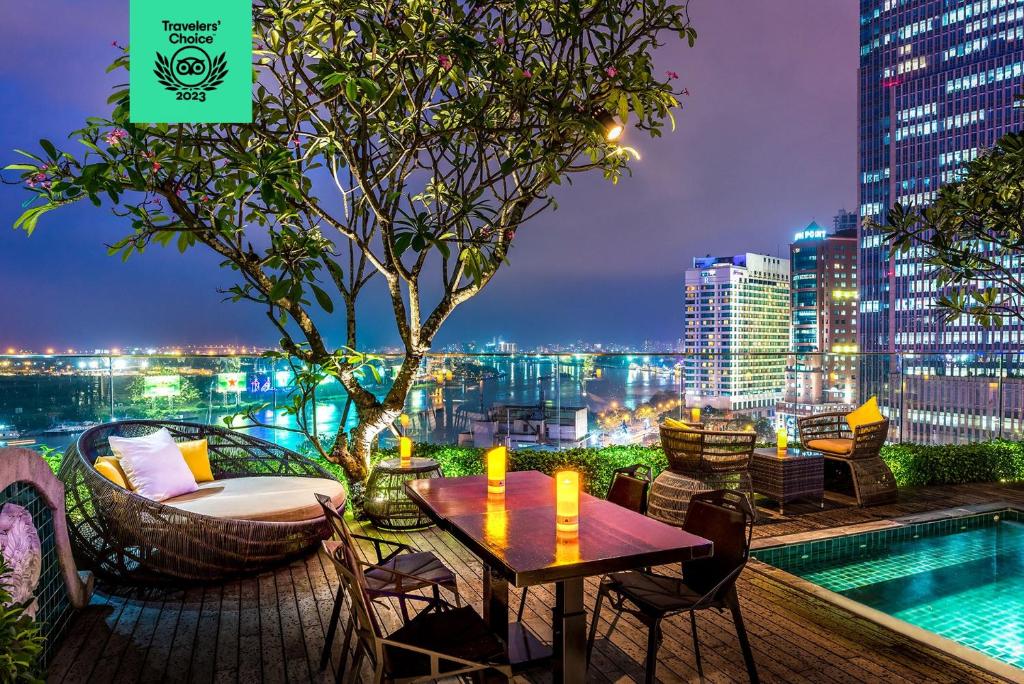
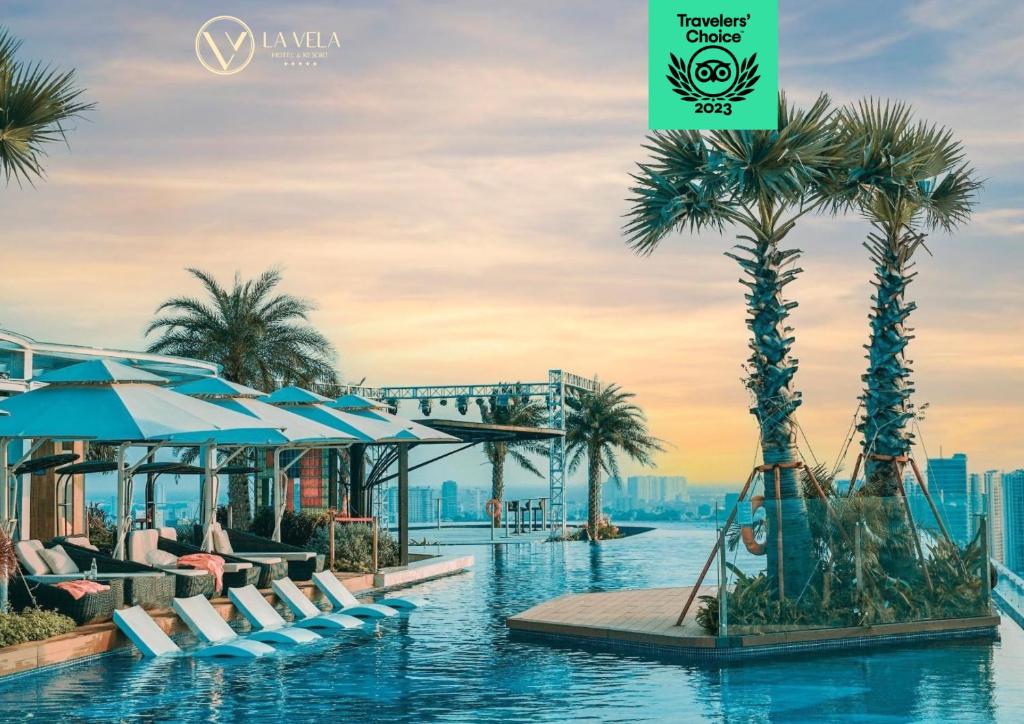
La Vela Saigon Hotel is a 5-star hotel in District 3, Ho Chi Minh City, with a rooftop pool, a spa and rooms with balconies facing the city. Restaurant, bar and coffee shop are on...

2 105 places to stay in Ho Chi Minh City: hotels, apartments and aparthotels, area by area
2 105 accommodations · 1 072 hotels · 546 apartments · 236 aparthotels
2 105 accommodations
District 3 · 2.3 km from the centre
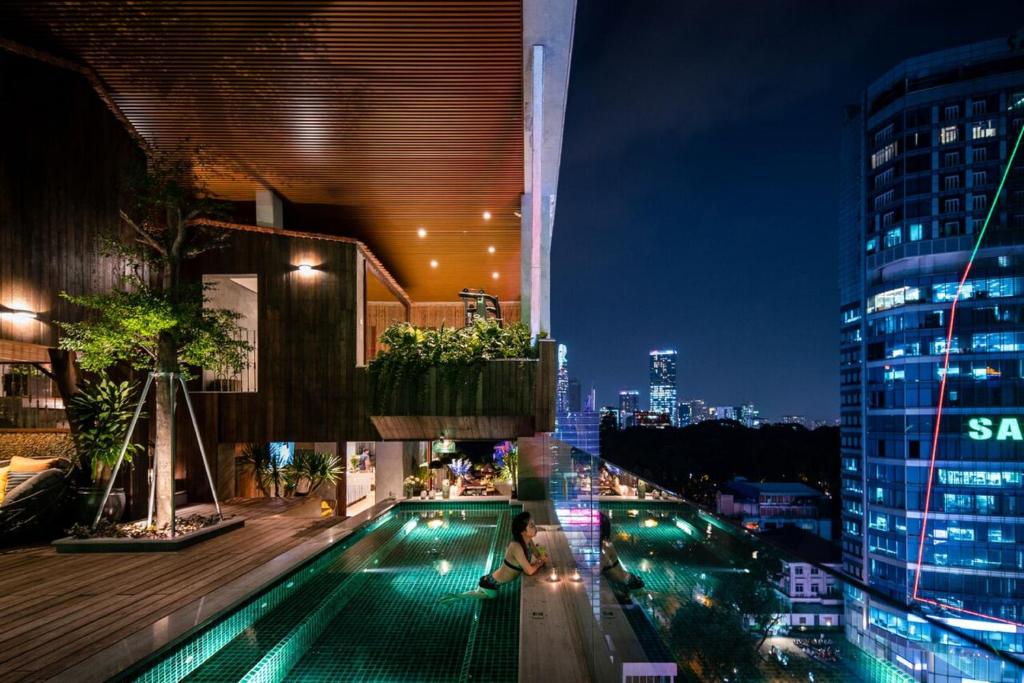
La Vela Saigon Hotel is a 5-star hotel in District 3, Ho Chi Minh City, with a rooftop pool, a spa and rooms with balconies facing the city. Restaurant, bar and coffee shop are on...
Tan Binh · 5.7 km from the centre
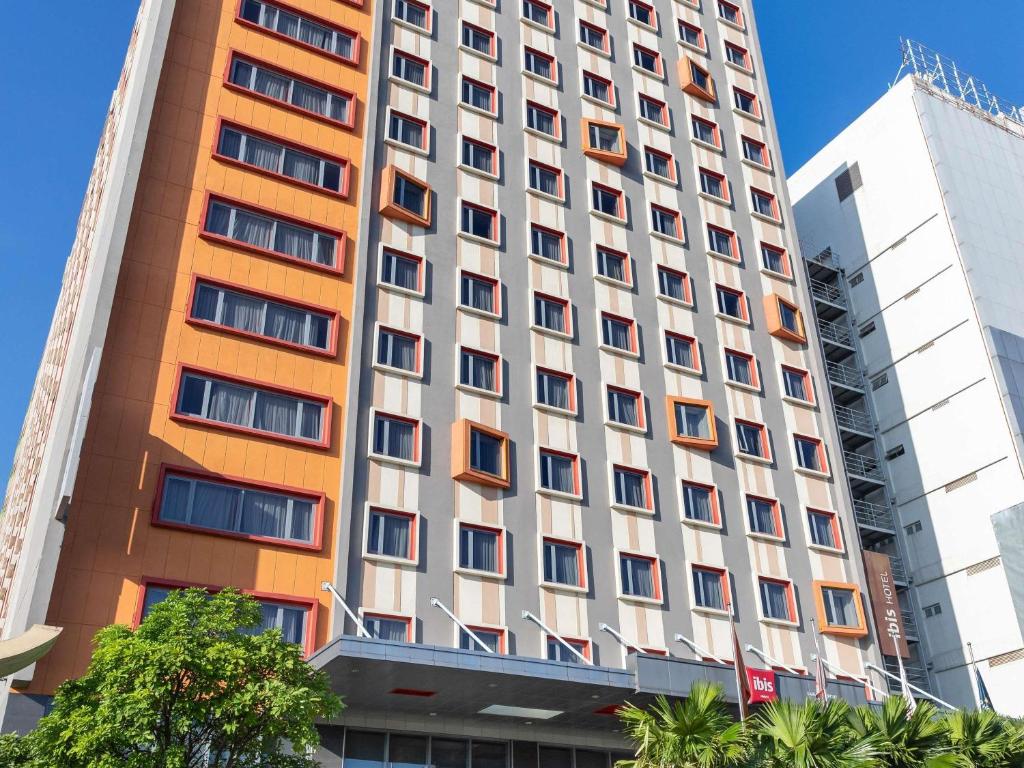
Ibis Saigon Airport is a 4-star hotel in Tan Binh, 100 m from Tan Son Nhat International Airport. It has a rooftop bar, an outdoor pool, a gym and apartments with full kitchens for...
District 3 · 1.0 km from the centre
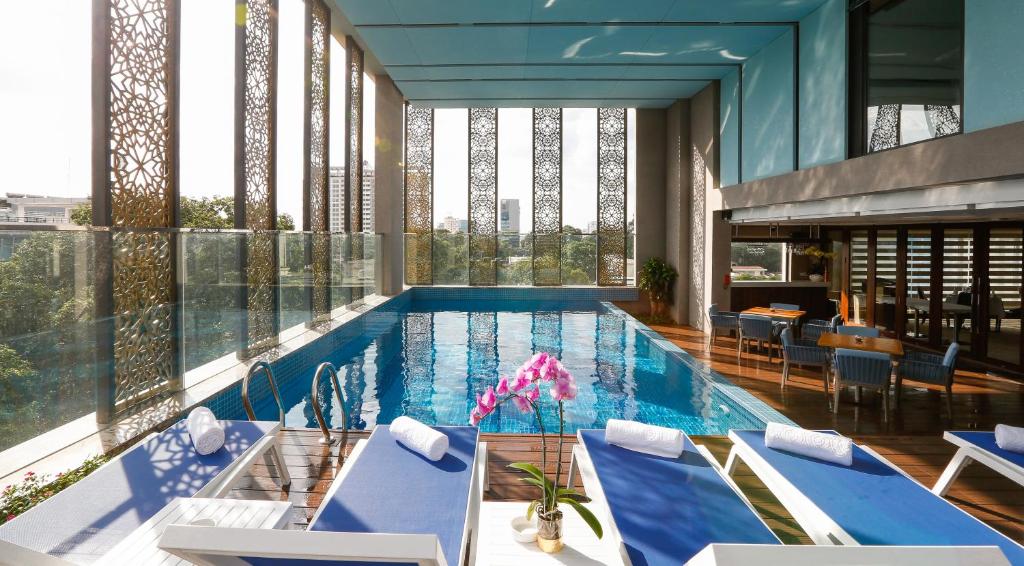
A 4-star hotel in District 3, Ho Chi Minh City, with city-view rooms from 22 to 48 m², an indoor pool, a fitness centre and an airport shuttle for city stays.
District 1 · 0.4 km from the centre
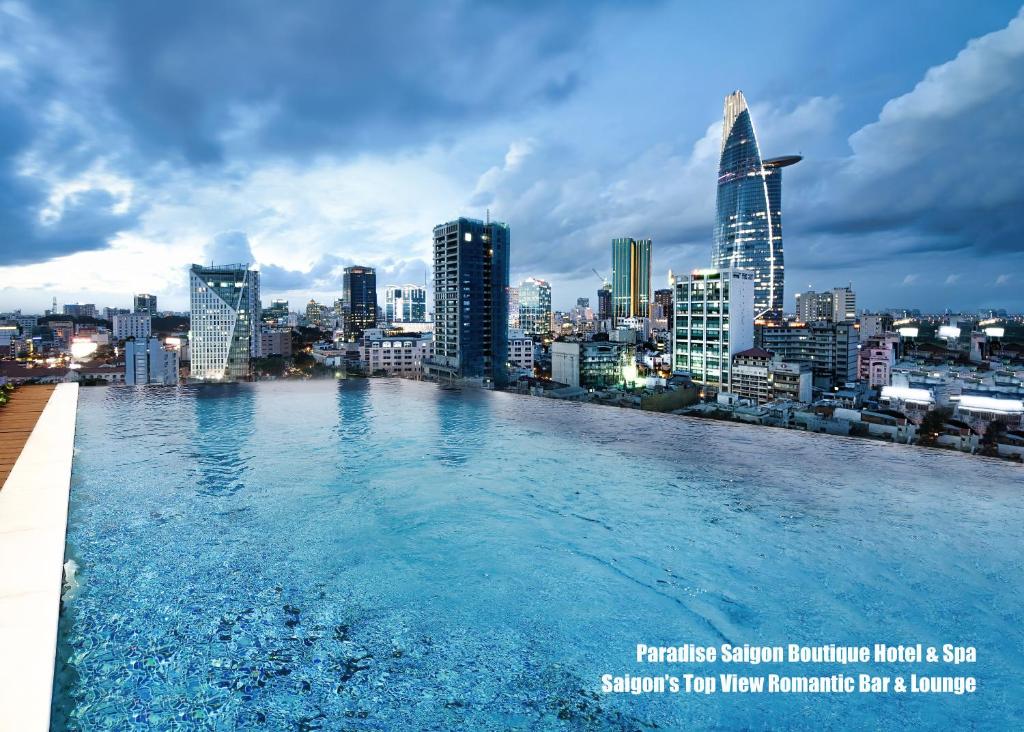
Paradise Saigon Boutique Hotel & Spa is a 4-star hotel in District 1, Ho Chi Minh City, with air-conditioned rooms from 25 m² to 45 m², a spa and fitness centre, and a restaurant s...
District 1 · In the centre
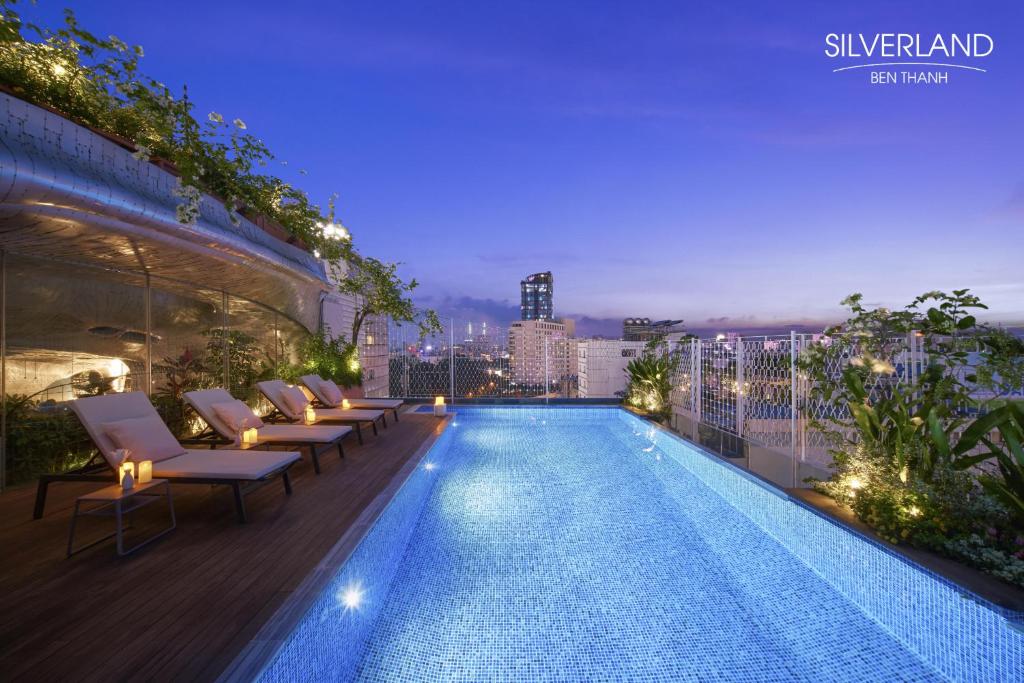
Silverland Bến Thành is a 4-star hotel in District 1, Ho Chi Minh City, 150 m from Ben Thanh Market. Its air-conditioned rooms, spa and wellness centre, sauna and outdoor pool suit...
District 1 · In the centre
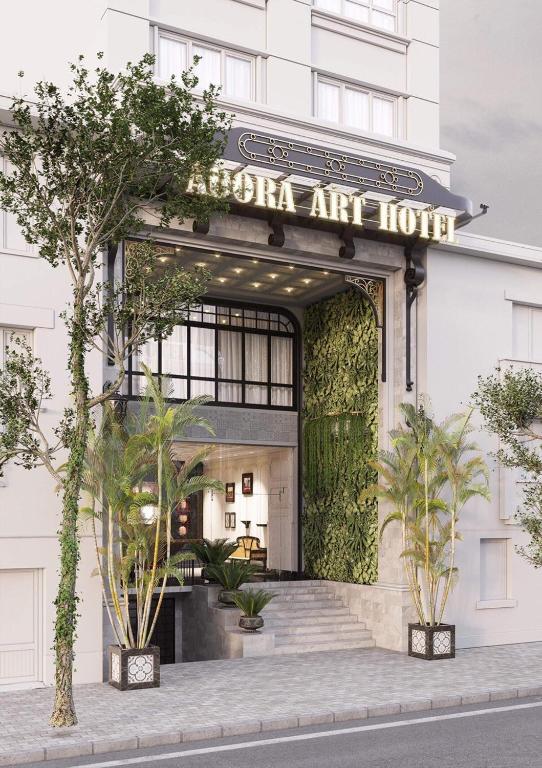
Adora Art Hotel is a 4-star hotel in District 1, Ho Chi Minh City, with an Indochina contemporary art design. Its rooms of 25 to 30 m² have air conditioning, and the hotel offers a...
District 1 · In the centre
Jovia Hotel is a 3-star hotel in District 1 of Ho Chi Minh City, with air-conditioned rooms from 20 to 35 m², a rooftop swimming pool and a restaurant, close to Ben Thanh Market.
District 1 · 0.6 km from the centre
A 4-star hotel in District 1, Ho Chi Minh City, with a rooftop pool, afternoon tea on the roof and rooms from 26 to 46 m². The Old Market is 50 m away, and the Saigon Opera House 5...
District 1 · 0.9 km from the centre
Hotel Majestic Saigon is a 5-star hotel in District 1, Ho Chi Minh City, in a 1920 colonial-style building on the Saigon River. It offers an outdoor pool, a spa, a sky bar and room...
District 1 · 1.2 km from the centre
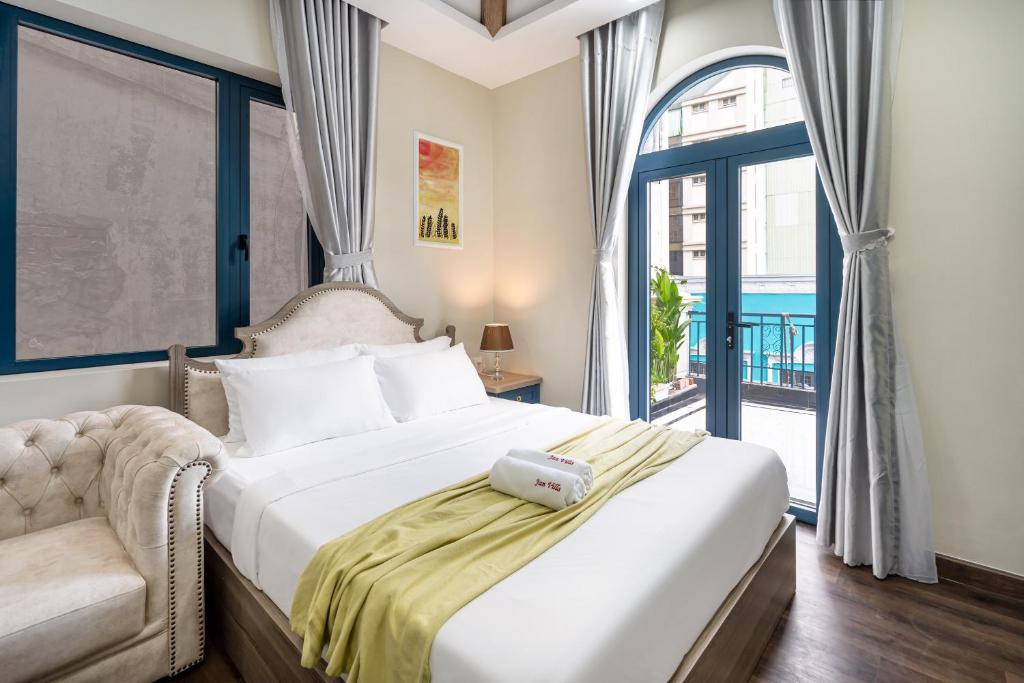
Jan Villa SaiGon Oasis is a hotel in District 1, Ho Chi Minh City, with air-conditioned rooms from 20 to 45 m², an indoor pool, a spa and a family room for up to four.
District 1 · 0.3 km from the centre
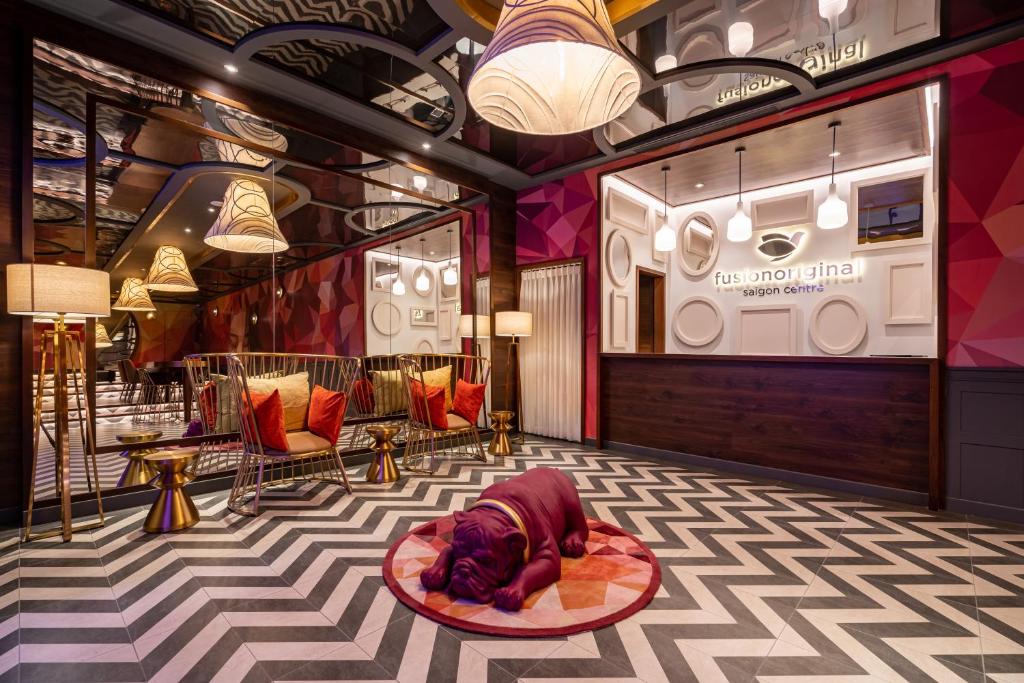
Fusion Original Saigon Centre is a 5-star hotel inside Saigon Centre in District 1, Ho Chi Minh City. Its city-view rooms, infinity swimming pool, sauna and fitness centre suit bot...
District 1 · In the centre
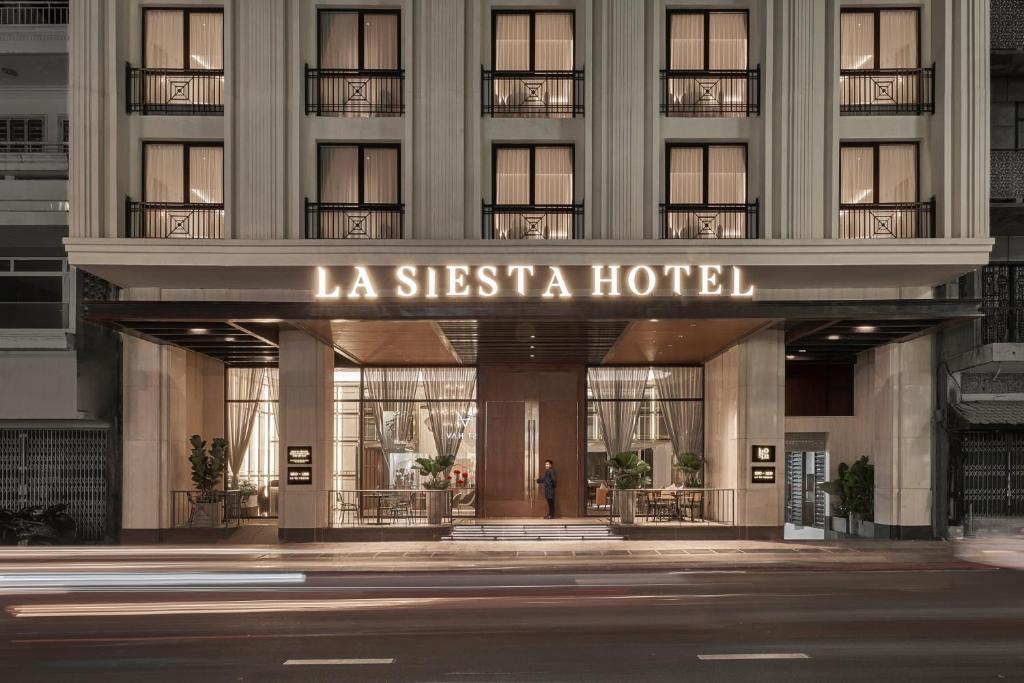
La Siesta Premium Saigon is a 5-star hotel in District 1, Ho Chi Minh City, with a rooftop swimming pool, spa facilities and rooms from 22 to 75 m², a short walk from Ben Thanh Mar...
District 3 · 1.0 km from the centre
Au Lac Legend Hotel is a 4-star hotel in District 3, Ho Chi Minh City, with air-conditioned rooms, a restaurant, a coffee shop in a small garden and an airport shuttle.
District 1 · 1.0 km from the centre
Silverland Jolie Hotel is a 4-star hotel in District 1, Ho Chi Minh City, a short walk from Notre Dame Cathedral. Its rooms range from 22 to 50 m², with a rooftop bar and a spa.
District 1 · 0.6 km from the centre
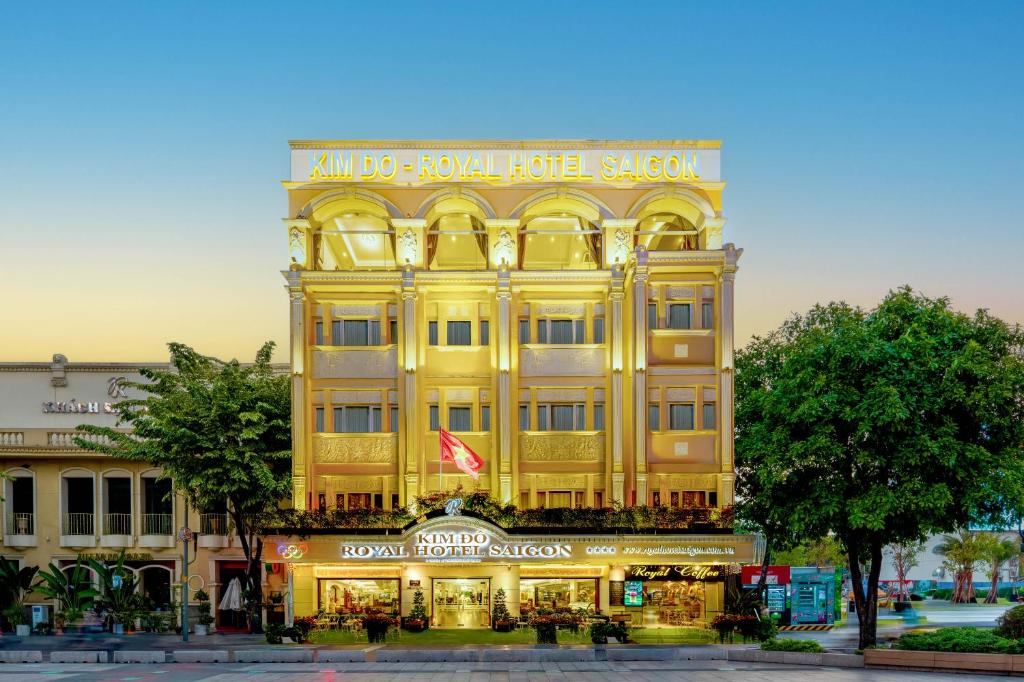
Royal Hotel Saigon is a 4-star hotel on Nguyen Hue in District 1, Ho Chi Minh City, with air-conditioned rooms from 26 m², a spa and wellness centre, six on-site restaurants and an...
District 1 · 1.1 km from the centre
Duc Vuong Saigon Hotel - Bui Vien is a 3-star hotel on Bui Vien walking street in District 1, Ho Chi Minh City. Rooms from 16 to 40 m² include city-view and balcony options, and br...
District 1 · In the centre
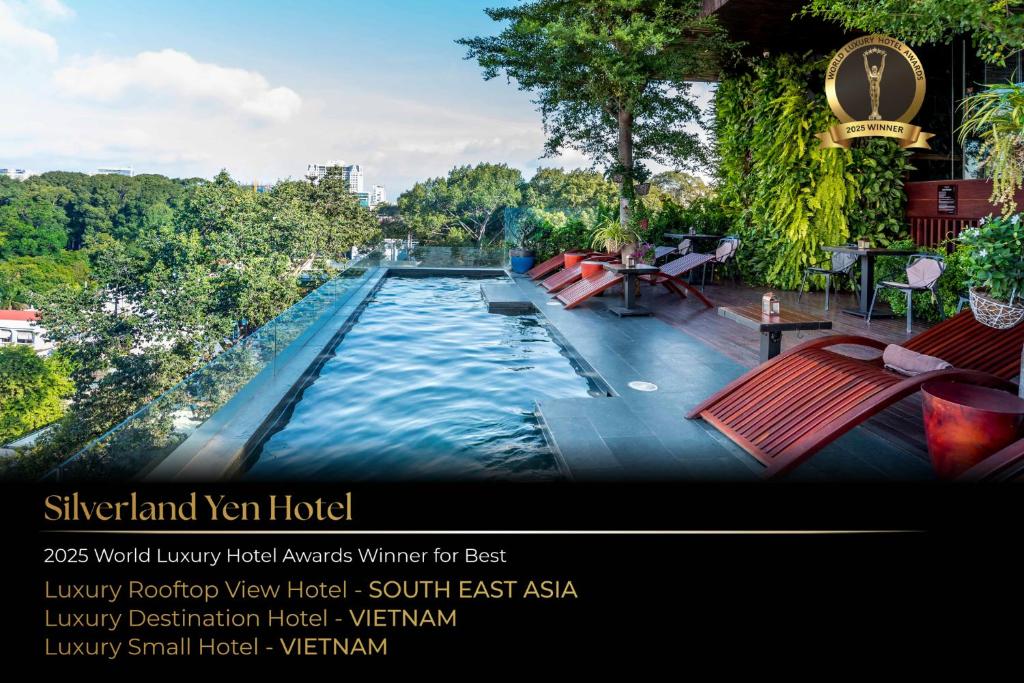
Silverland Yen Hotel is a 4-star hotel in District 1, Ho Chi Minh City, 150 m from Ben Thanh Market. Its air-conditioned rooms, rooftop bar and outdoor swimming pool suit city stay...
District 1 · In the centre
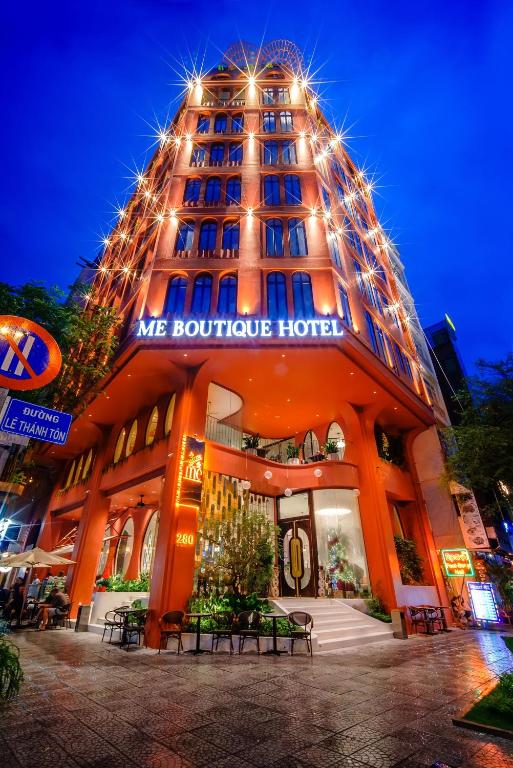
Me Saigon Boutique Hotel is a 5-star hotel in District 1, Ho Chi Minh City, with city-view rooms, a spa and an outdoor pool, 300 m from Ben Thanh Market.
District 1 · 0.6 km from the centre
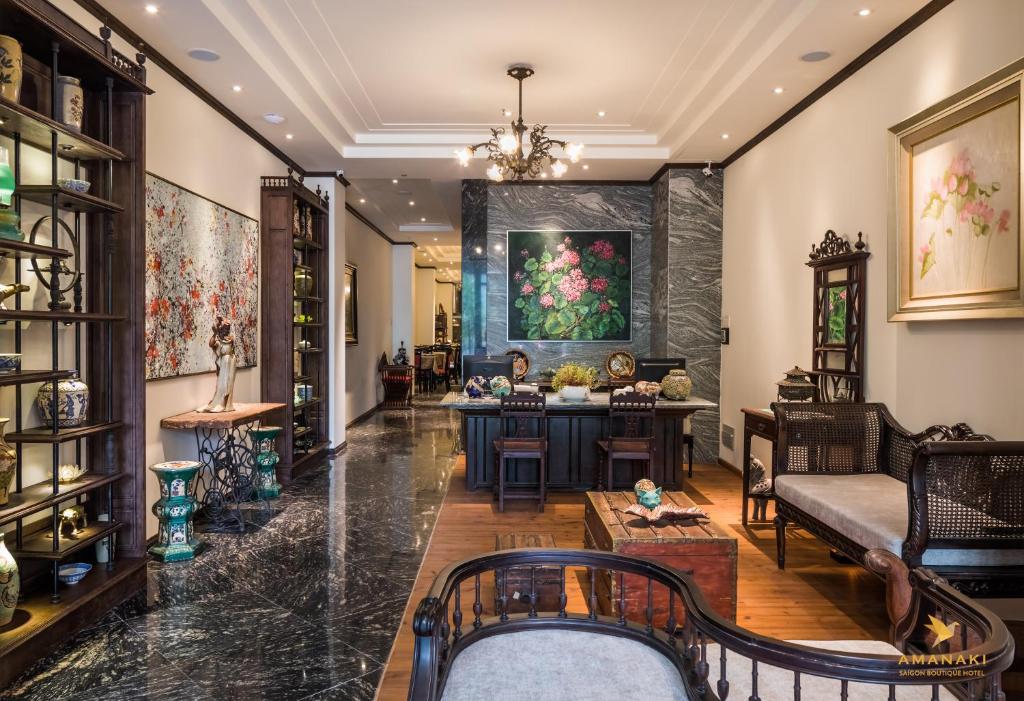
Amanaki Saigon Boutique Hotel is a 4-star hotel in District 1 of Ho Chi Minh City, opposite the Bitexco Financial Tower. Its air-conditioned rooms range from 18 to 55 m², with city...
District 1 · 1.0 km from the centre
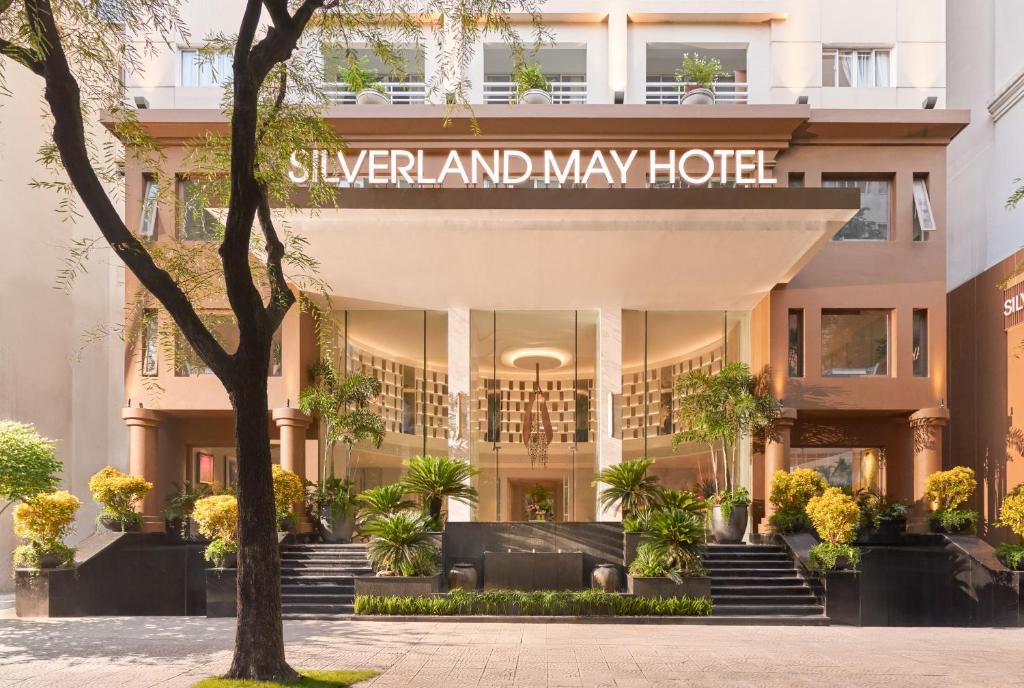
Silverland Mây Hotel is a 4-star hotel in District 1 of Ho Chi Minh City, 300 m from Saigon Opera House. Its air-conditioned rooms start at 26 m², and it has a swimming pool, a fit...
Ho Chi Minh City, which almost everyone still calls Saigon, is Vietnam's largest city and its busiest gateway: a sprawling, energetic metropolis on the Saigon River in the south of the country, with French colonial boulevards, glass towers, street-food stalls on every corner and millions of motorbikes. For a visitor, it is less a single city than a patchwork of districts, each with its own character, and where you sleep shapes the whole stay: how far you walk, how much you spend on taxis, how loud your nights are and what you eat for breakfast.
The 2 105 places to stay listed on this site are spread across thirteen areas, from the backpacker lanes of District 1 to the expatriate villas of Thao Dien, from the airport hotels of Tan Binh to the high-rise apartments of Binh Thanh and the planned avenues of District 7. About half are hotels; most of the rest are apartments and aparthotels, a sign of how the city has grown upwards in recent years. This page explains the differences between the areas, what things cost in 2026, how to get in from the airport and around the city, and what changed when the city's administration was reorganised in 2025.
District 1 is the centre and the first choice for most visitors: Ben Thanh Market, Nguyen Hue walking street, Dong Khoi, the Opera House, the Central Post Office, Independence Palace and, around Pham Ngu Lao, the Bui Vien walking street with its bars and backpacker hostels. It has the widest choice of hotels in the city, from dorm beds to five-star towers, and everything is walkable. It is also the most expensive district and, around Bui Vien, the noisiest.
District 3, just west of District 1, is the quieter, leafier alternative: tree-lined streets, French villas, the pink Tan Dinh Church, the War Remnants Museum and the city's best coffee shops, still a short ride from the centre. District 4, across a canal to the south, is mostly riverside apartment towers, a few minutes from District 1, with the seafood stalls of Vinh Khanh street.
Binh Thanh, north-east of the centre, is the district of Landmark 81 and the Vinhomes Central Park towers, with serviced apartments and riverside parks. Phu Nhuan and Tan Binh lie on the road to the airport: residential, cheaper, and practical for short stays and early flights, with Tan Son Nhat International Airport itself in Tan Binh.
Thao Dien, across the river in the former District 2, is the expatriate area: villas, international restaurants, quieter streets and the metro into the centre. District 7 is the planned Phu My Hung area in the south, with wide avenues, malls and the SECC exhibition centre. Cho Lon, the old Chinese quarter around Districts 5 and 6, has temples, markets and Cantonese food. District 10, Go Vap, Tan Phu and Binh Tan are residential districts with lower prices, local markets and few tourists.
Of the 2 105 properties on this site, hotels make up about half. Apartments are the second group, followed by aparthotels, homestays, guest houses, hostels and a few villas. Saigon's apartments are usually flats in high-rise residential buildings, let by the night, with a kitchen, a washing machine and access to the building's pool and gym; aparthotels offer similar flats with a reception and daily housekeeping. They are concentrated in Binh Thanh, District 4, Thao Dien and parts of District 1, and they are often the best value for families and longer stays.
As a guide for 2026, a dorm bed costs about 120,000 to 400,000 VND a night, a budget guest house room about 350,000 to 600,000 VND, a mid-range hotel about 700,000 to 1,800,000 VND, and a comfortable boutique hotel about 2,000,000 to 4,000,000 VND; luxury hotels in District 1 start at about 3,500,000 VND. District 1 is the most expensive part of the city, with prices often 30 to 50 percent higher than in the neighbouring districts for the same standard: a mid-range double costs about 1,200,000 to 2,000,000 VND there, against about 800,000 to 1,500,000 VND in District 3, 700,000 to 1,400,000 VND in Binh Thanh and Phu Nhuan, and 400,000 to 900,000 VND in District 4.
Two details are worth checking in every listing. Many small hotels in District 1 have rooms without windows, which the room descriptions state. And breakfast is not always included: each listing says whether it is offered and in what form.
Tan Son Nhat International Airport is in Tan Binh, about 5 to 6 km north-west of District 1 in a straight line (7 to 8 km by road), which makes Saigon one of the few big Asian cities with an airport almost in town. The ride takes about 20 to 25 minutes outside the rush hours and 45 minutes to an hour at peak times or in heavy rain. Domestic flights use the Terminal 3 building, opened in 2025, and international flights the international terminal.
Ride-hailing cars cost about 150,000 to 250,000 VND to District 1 and metered taxis about 170,000 to 280,000 VND, including the airport gate fee; prepaid counter taxis are more expensive, and fares rise by 20 to 30 percent at night. Bus 109 links the airport with the centre for about 15,000 to 20,000 VND in 45 to 60 minutes, and bus 152 is cheaper and slower. Many hotels offer an airport shuttle, which each listing mentions.
A second airport, Long Thanh, about 40 km east of the city, is due to start commercial operations at the end of 2026; Tan Son Nhat remains the airport for the city in the meantime. Saigon Railway Station, for trains to Hanoi and along the coast, is in District 3, and long-distance buses to the Mekong Delta leave from the Western Bus Station in Binh Tan.
Saigon is large and hot, so most visitors combine walking with ride-hailing cars and motorbike taxis, which are cheap and easy to book with the usual apps: a motorbike ride from District 3 to District 1 costs about 20,000 to 30,000 VND, and a car from Thao Dien about 80,000 to 120,000 VND. Traffic is dense, especially between 07:00 and 09:00 and between 17:00 and 19:00, and crossing the street takes a steady, predictable pace.
Metro Line 1, the city's first, opened on 22 December 2024. It runs for 19.7 km from Ben Thanh, next to the market, to Suoi Tien in Thu Duc, with 14 stations: three underground in the centre (Ben Thanh, Opera House and Ba Son) and eleven elevated, including Van Thanh and Tan Cang in Binh Thanh and Thao Dien and An Phu in the former District 2. The whole line takes about 30 minutes, trains run from 05:00 to 22:00, and a single ride costs about 7,000 to 20,000 VND depending on the distance. It is the easiest way to travel between District 1, Binh Thanh and Thao Dien. City buses are cheap but slower, and river buses run along the Saigon River from Bach Dang pier in District 1.
Saigon is tropical and hot all year, with temperatures usually between about 25 and 35 °C. The dry season runs from about December to April, with sunny days and low rainfall; March to May are the hottest months. The rainy season lasts from about May to November: most days bring a short, heavy shower in the afternoon or evening, which can flood streets for an hour, but rarely spoils a whole day. December to February is usually the most comfortable period, with lower humidity.
The Lunar New Year, Tet, in late January or February, is the city's biggest holiday: Nguyen Hue walking street becomes a flower street, many Saigonese leave for their home provinces, and some restaurants, markets and small hotels close for several days, while hotel prices in the centre can rise. Other public holidays, such as 30 April and 2 September, bring crowds and fireworks to District 1.
The historic centre is in District 1. Independence Palace, the former presidential palace, is open from 07:00 to 18:00, with an adult ticket at 80,000 VND since January 2025. The War Remnants Museum, in District 3, documents the Vietnam War, from 07:30 to 17:30 for 40,000 VND. The Notre-Dame Cathedral, built by the French in the 1870s and 1880s, is under restoration, expected to be completed around the end of 2027; its two crosses were put back on the bell towers in March 2026. The Central Post Office across the square, the Opera House, Nguyen Hue walking street and Ben Thanh Market are all within a short walk.
Beyond the centre, Cho Lon has the Binh Tay Market and the Chinese assembly halls and temples of District 5; District 3 has the pink Tan Dinh Church, the Xa Loi and Vinh Nghiem pagodas and the city's coffee culture; Binh Thanh has Landmark 81, Vietnam's tallest building, and the riverside park of Vinhomes Central Park. The food is reason enough to come: a banh mi costs about 25,000 to 40,000 VND on the street, a plate of com tam (broken rice) about 50,000 to 70,000 VND, and an iced coffee with condensed milk about 20,000 to 35,000 VND.
On 1 July 2025 Ho Chi Minh City merged with the neighbouring provinces of Binh Duong and Ba Ria-Vung Tau, and the district level of local government was abolished across Vietnam. The city is now divided into wards and communes that report directly to the city: old District 1, for example, became the wards of Sai Gon, Ben Thanh, Tan Dinh and Cau Ong Lanh; old District 3 became Ban Co, Xuan Hoa and Nhieu Loc; and Thao Dien is now part of An Khanh ward.
In practice, the old district names are still used by residents, taxi drivers, maps and almost every hotel address, and this site follows them. Addresses written before and after the reform both appear, so the same street can be listed under a district or under a new ward name.
For a first visit, usually yes: it has the main sights, the most restaurants and the widest choice of hotels, and you can walk almost everywhere. District 3 is a quieter alternative a few minutes away, Binh Thanh and District 4 are better for apartments, and Tan Binh is practical for an early flight.
Tan Son Nhat International Airport is about 5 to 6 km from District 1 in a straight line, 7 to 8 km by road, 20 to 25 minutes by car outside the rush hours and up to an hour at peak times. A ride-hailing car costs about 150,000 to 250,000 VND, and bus 109 about 15,000 to 20,000 VND.
For a short stay in the centre, a hotel is simpler. For families, groups and stays of a week or more, an apartment or aparthotel in Binh Thanh, District 4, Thao Dien or District 1 usually gives more space, a kitchen and a pool for a similar price.
Yes, for trips between District 1, Binh Thanh and Thao Dien. Metro Line 1 runs from Ben Thanh to Suoi Tien in about 30 minutes, from 05:00 to 22:00, for about 7,000 to 20,000 VND a ride. It does not yet reach the airport, District 3 or District 7.
Yes. The city was renamed Ho Chi Minh City in 1976, but Saigon is still used every day by residents and visitors, and it is the name of one of the central wards created in 2025.