District 1 is the centre of Ho Chi Minh City and the part of Saigon most visitors picture: the covered Ben Thanh Market, the wide Nguyen Hue walking street with City Hall at its end, the elegant shopping street of Dong Khoi running down to the river, the Opera House, the Central Post Office, the Notre-Dame Cathedral and Independence Palace. To the south-west, around Pham Ngu Lao, lies the backpacker quarter of Bui Vien, a walking street of bars, street food and hostels that stays busy until the early hours.
On this site District 1 covers the whole of the old district, from Tan Dinh and Da Kao in the north to Cau Kho and Co Giang in the south, and from the Saigon River to the edge of District 3. Since July 2025 this area has been divided into the wards of Sai Gon, Ben Thanh, Tan Dinh and Cau Ong Lanh, but everyone, from taxi drivers to hotel receptions, still calls it District 1, or simply "Quan 1".
Who should stay in District 1?
District 1 suits first visits, short stays and anyone who wants to walk to the main sights, restaurants and nightlife. Almost everything a visitor comes for is within 20 to 30 minutes on foot: the museums, the markets, the river, the rooftop bars and hundreds of places to eat, from street stalls to fine dining. It is also the best-connected district, with the three underground stations of Metro Line 1 (Ben Thanh, Opera House and Ba Son), the river bus pier at Bach Dang and the main city bus terminal opposite Ben Thanh Market.
The trade-offs are price, noise and traffic. District 1 is the most expensive part of the city, often 30 to 50 percent more than the neighbouring districts for the same standard. Bui Vien and the streets around it are loud until 03:00 or 04:00, and the main avenues are busy with motorbikes from morning to night. Travellers who want quieter nights often choose the north of the district around Da Kao and Tan Dinh, or District 3, a few minutes away.
Hotels and other places to stay in District 1
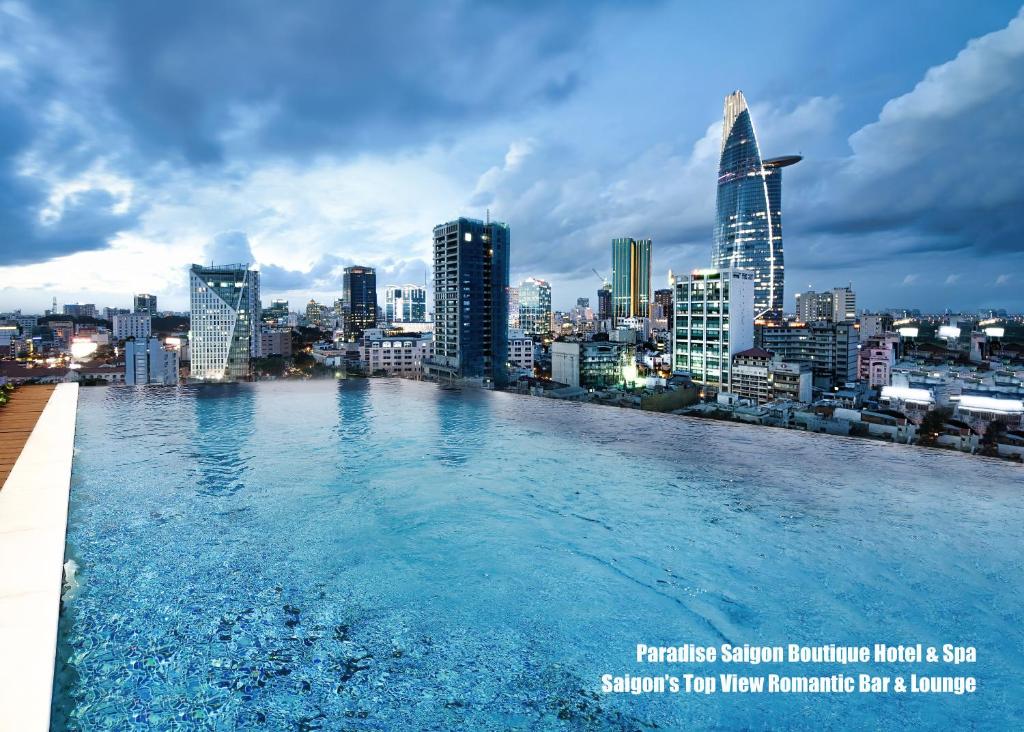
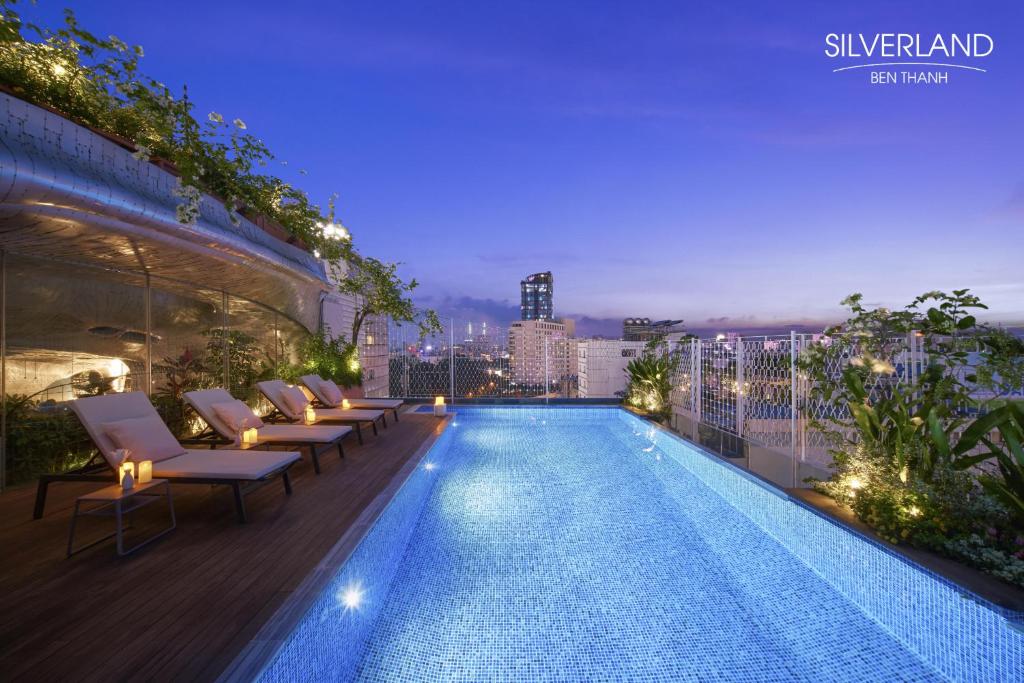
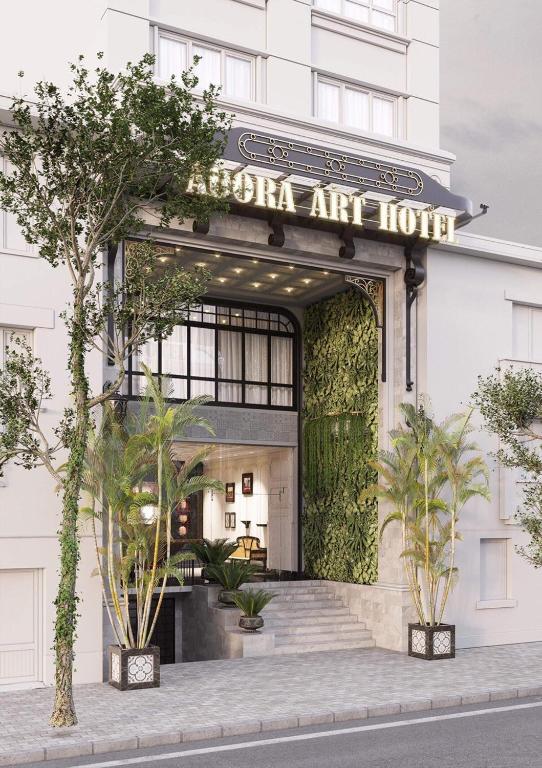
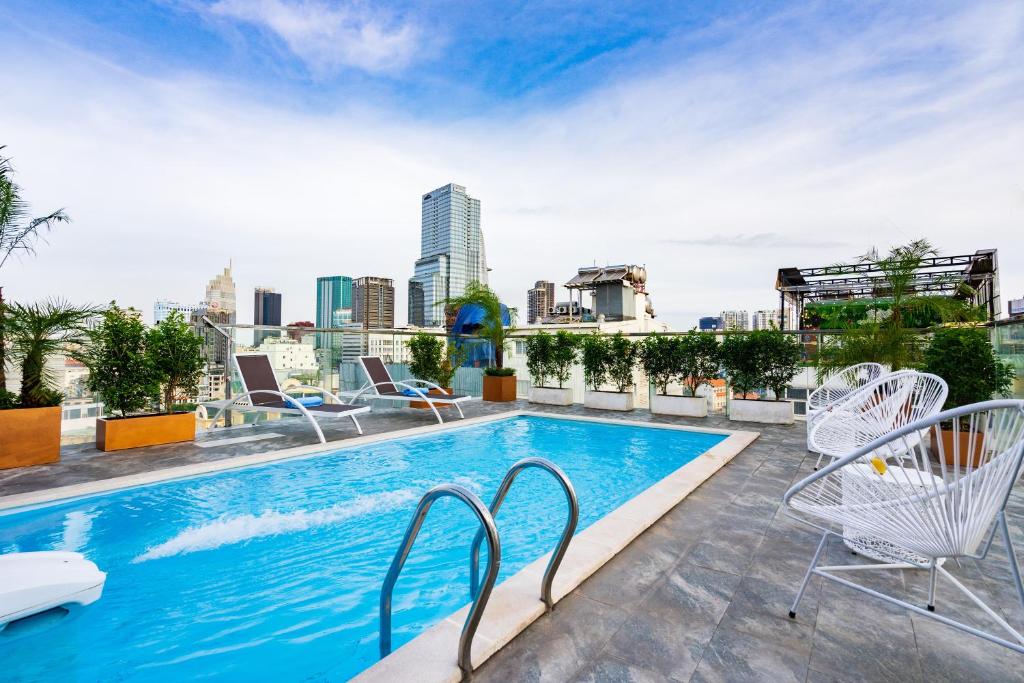
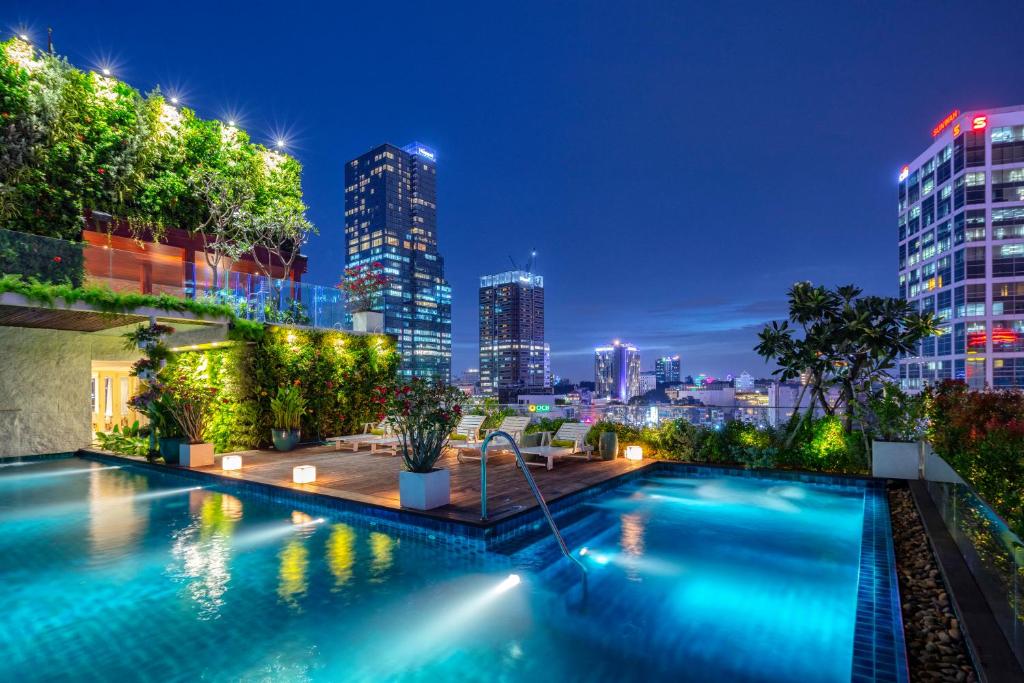
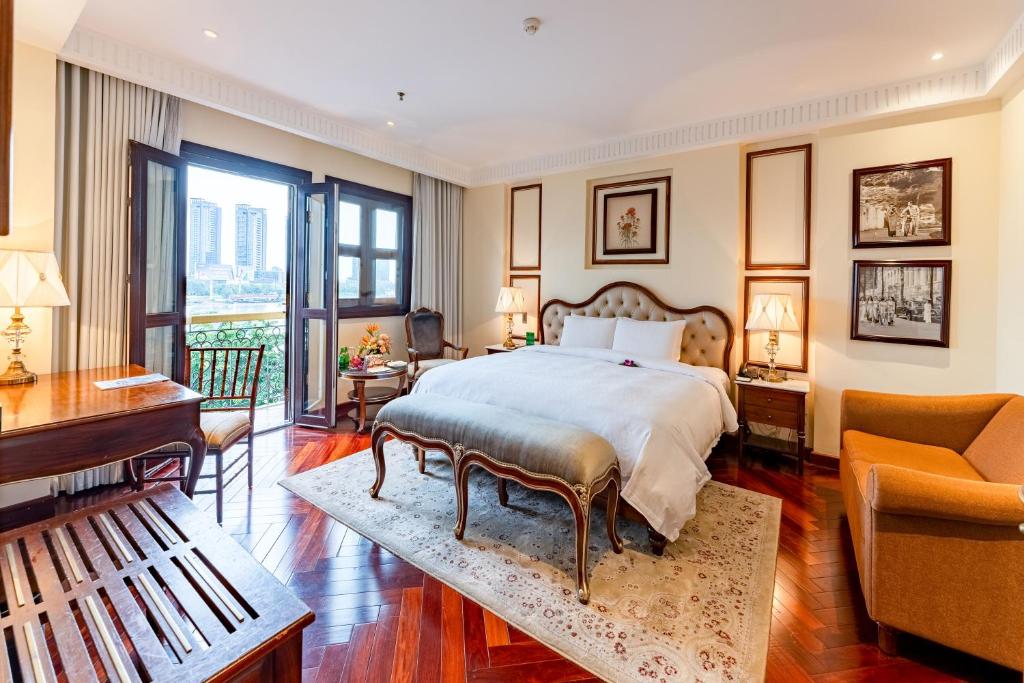
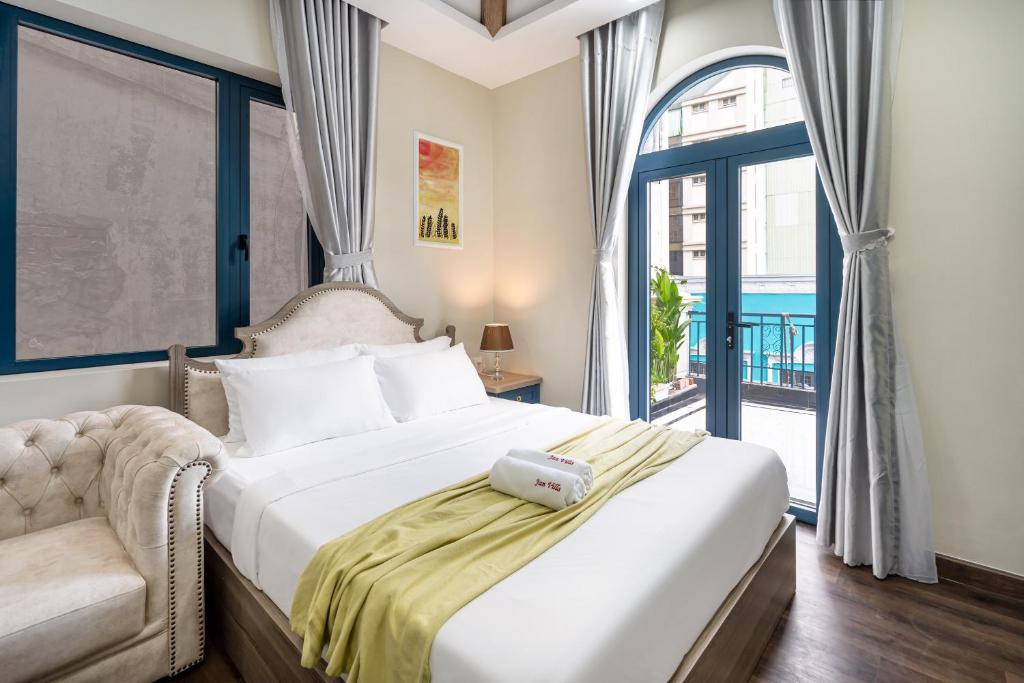
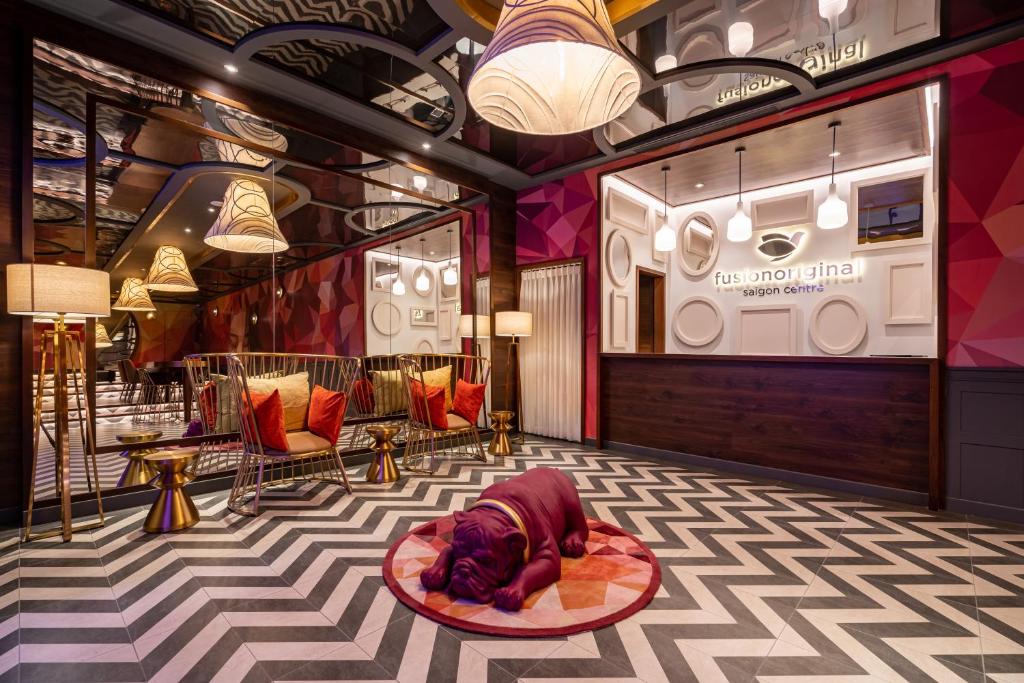
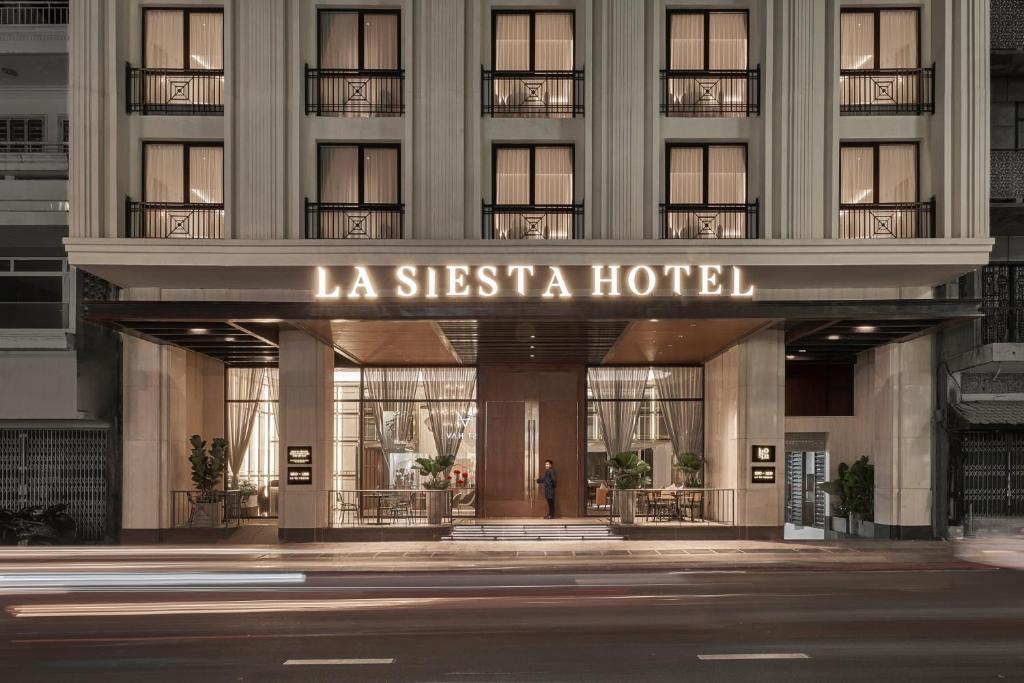
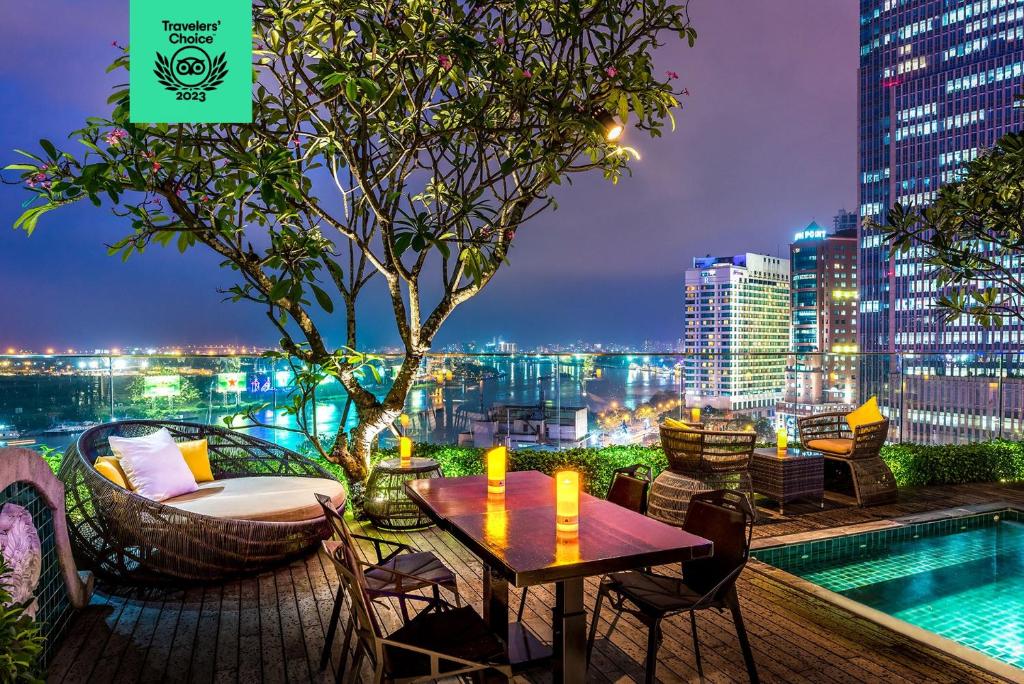
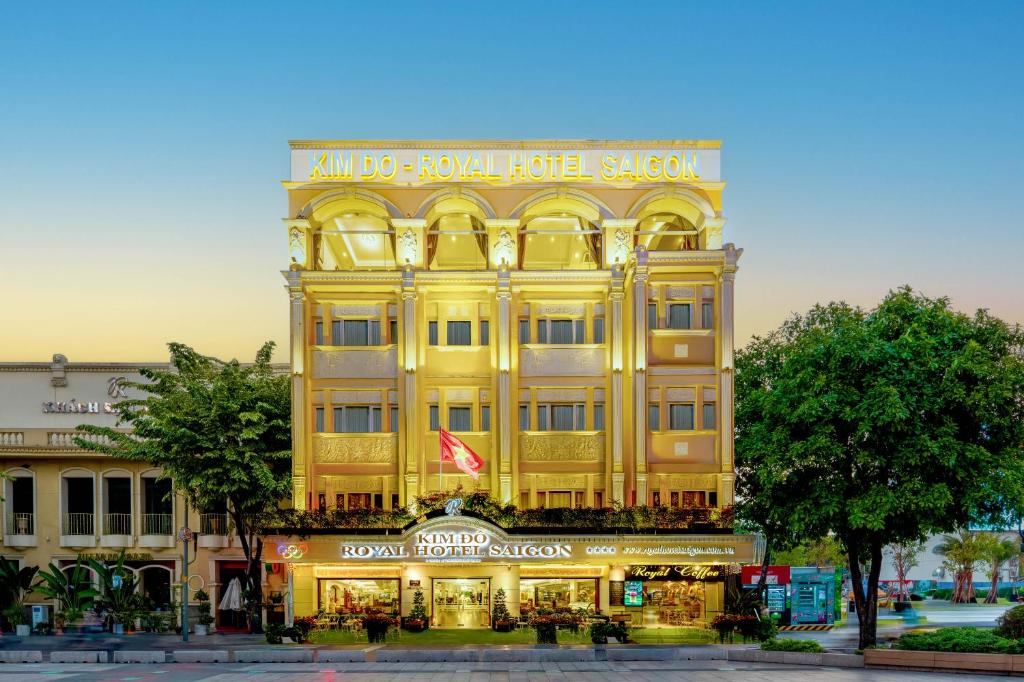
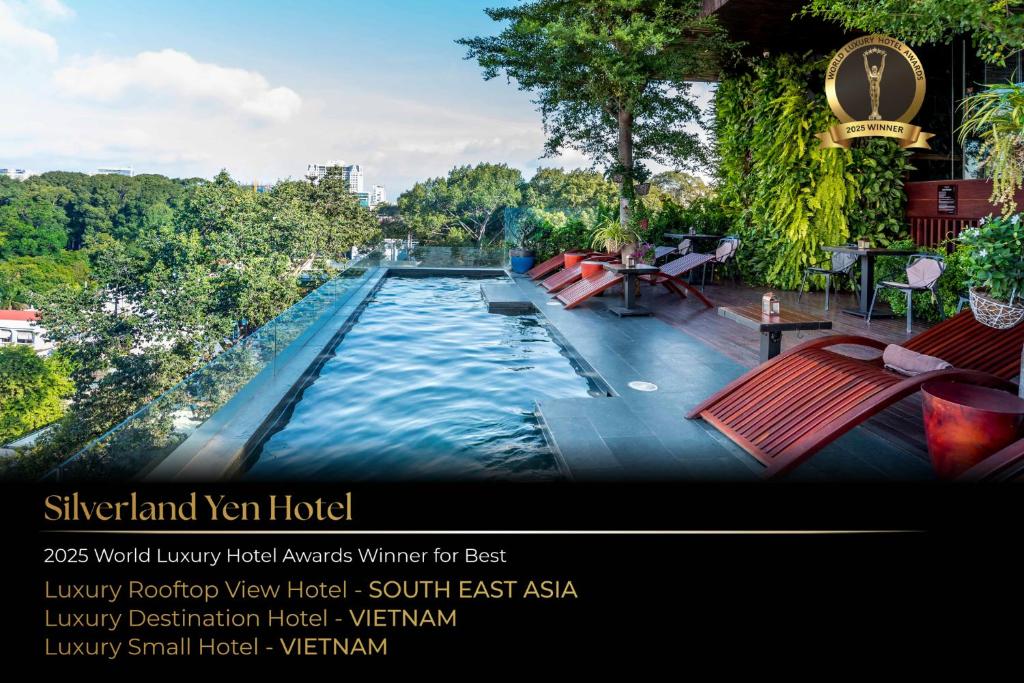
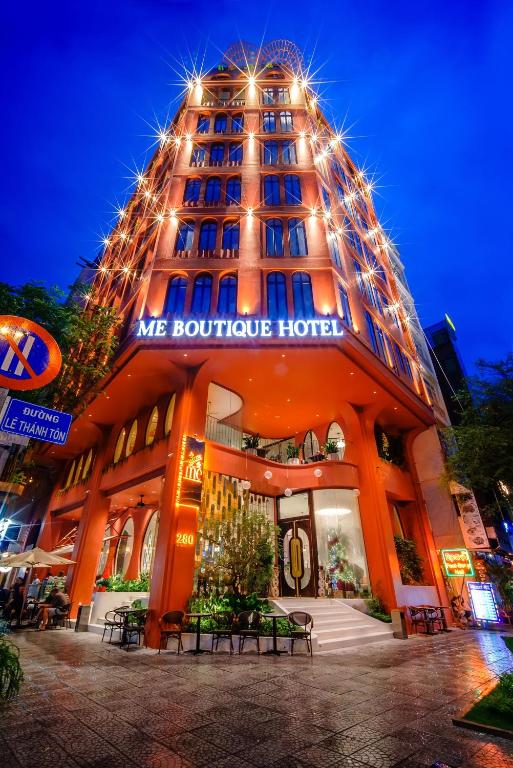
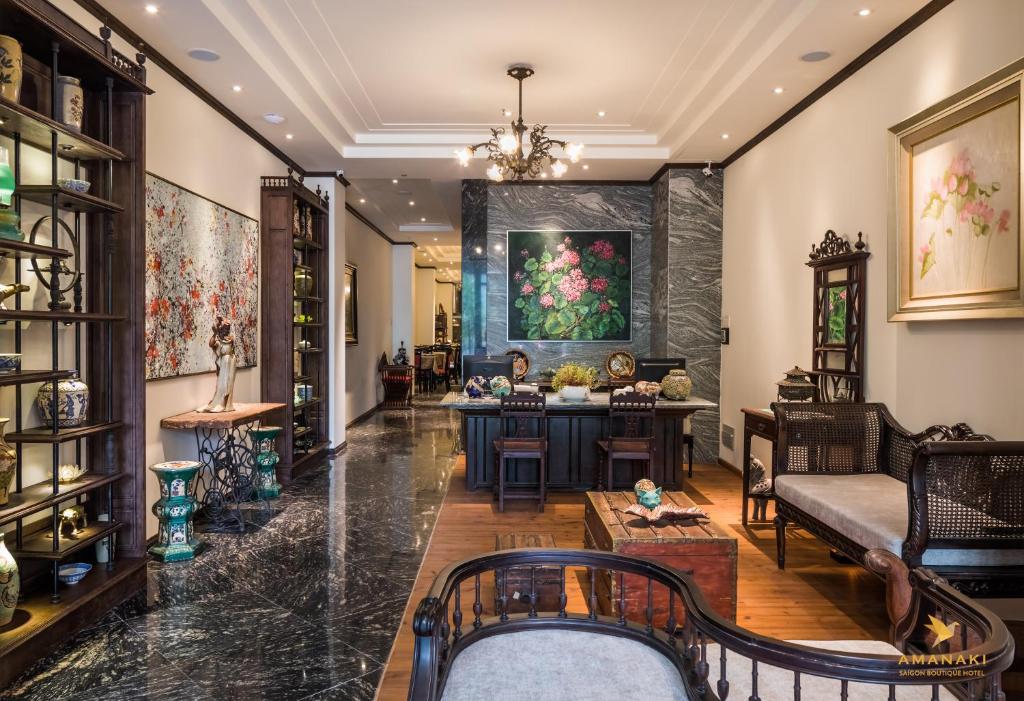
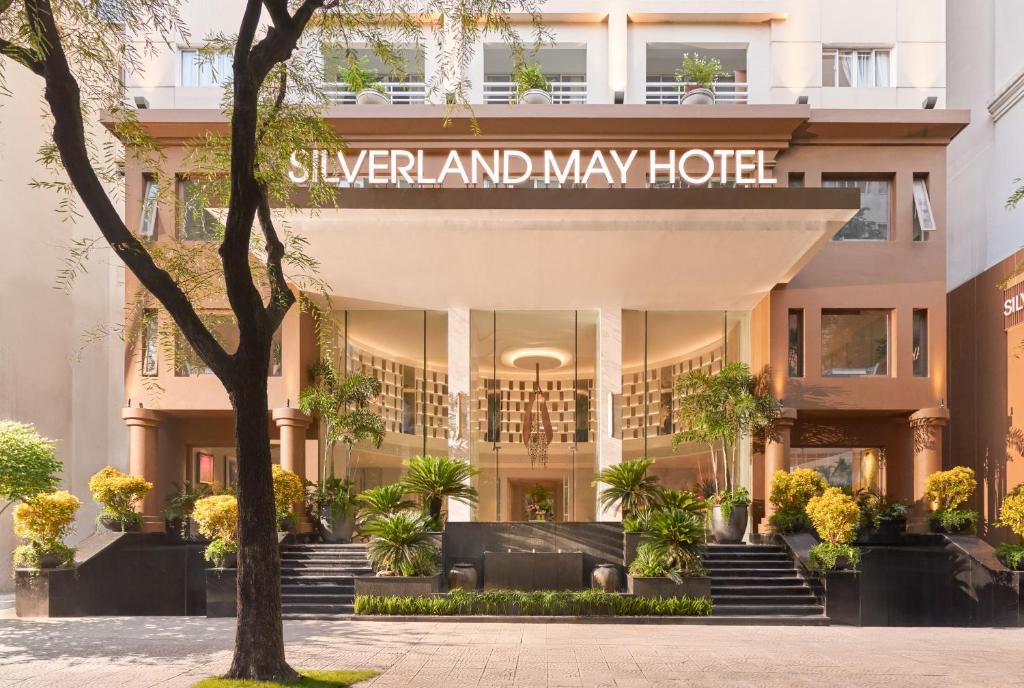
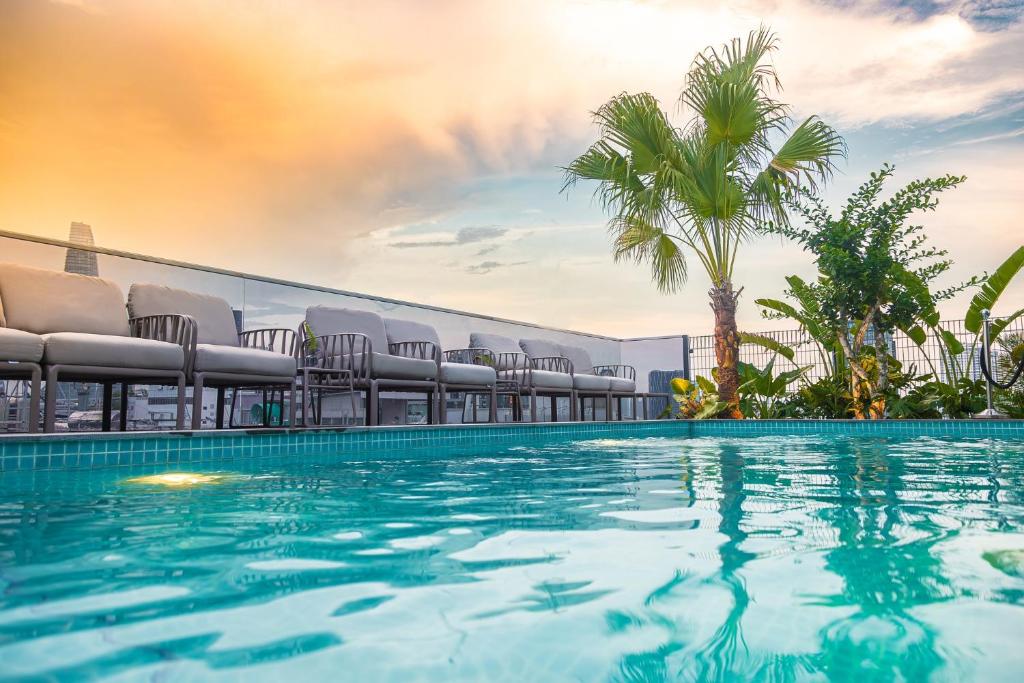
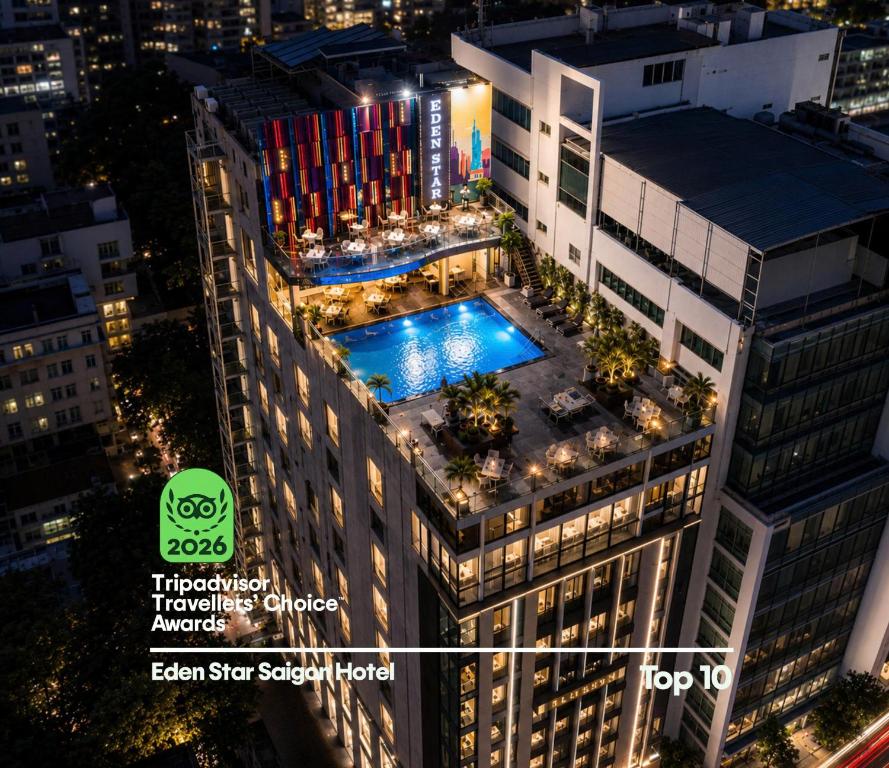
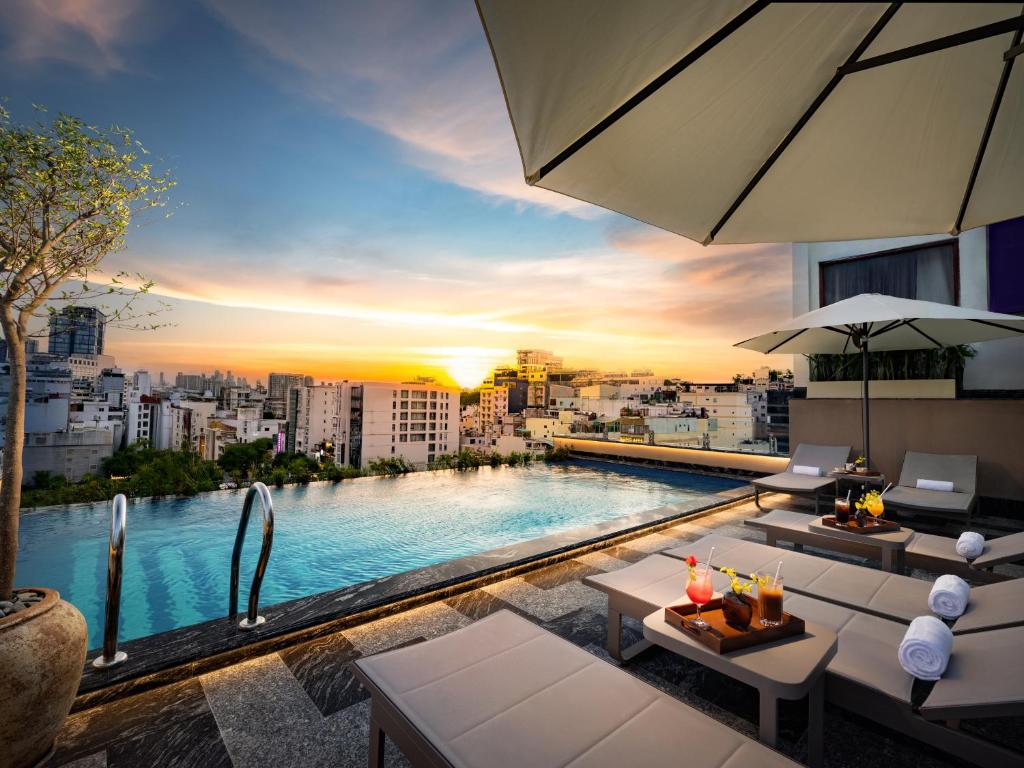
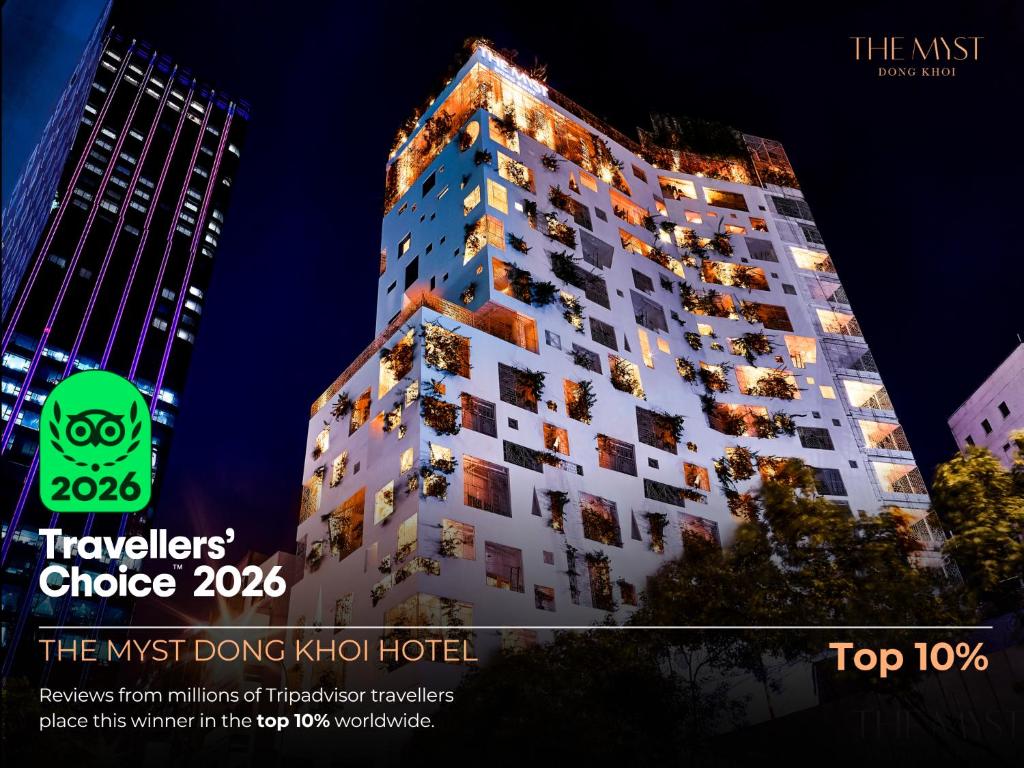
The 854 properties listed in this zone are the largest group in the city. About half are hotels, from simple two-star buildings in the lanes to international five-star towers on Dong Khoi and along the river; the rest are apartments and aparthotels in the residential towers of the district, homestays, guest houses and a few hostels. District 1 has the most four- and five-star hotels in Saigon, and some fifty properties with a swimming pool, often on the roof.
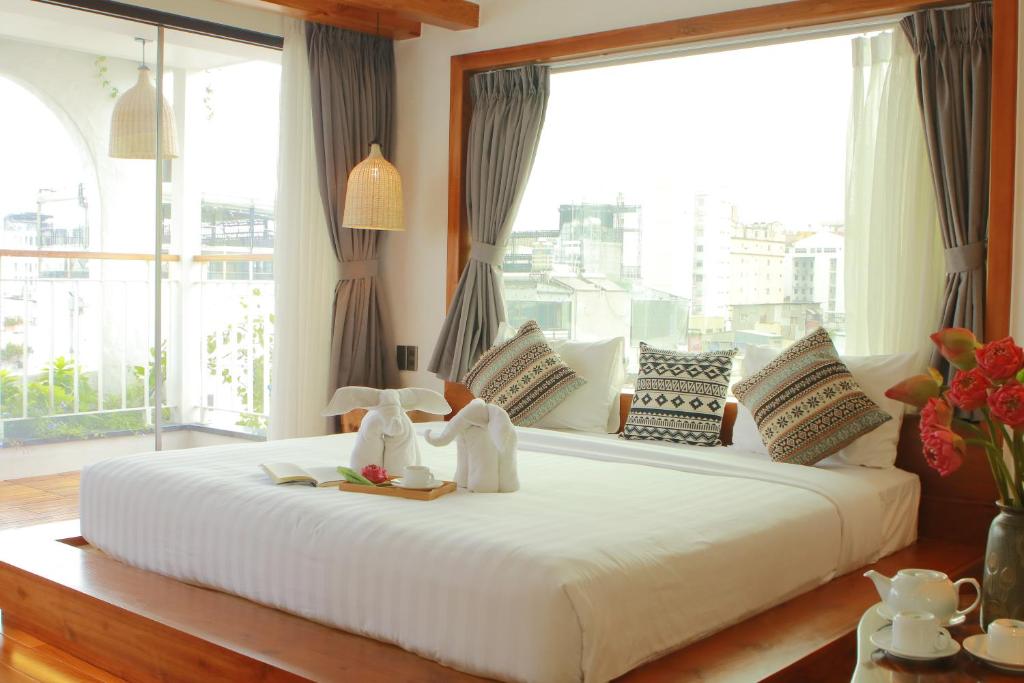
As a guide for 2026, a hostel bed costs about 150,000 to 300,000 VND a night, a mid-range double about 1,200,000 to 2,000,000 VND, and luxury hotels start at about 3,500,000 VND. The cheapest rooms are in the lanes off Pham Ngu Lao and Bui Vien; the most expensive face the river and the boulevards of Dong Khoi and Nguyen Hue. Many narrow "tube" hotels in the centre have some rooms without windows, which each listing states, and breakfast is not always included.
What is there to do in District 1?
The historic heart is a compact walk. Independence Palace, the former presidential palace where the war ended in 1975, is open from 07:00 to 18:00, with an adult ticket at 80,000 VND since January 2025. From there, the Notre-Dame Cathedral, under restoration until around the end of 2027, and the Central Post Office, designed in the 1880s and still in use, face each other across a small square. Nguyen Hue walking street, the Opera House and the rooftop bars of the riverside hotels are a few minutes further, and the Ho Chi Minh City Museum and the Fine Arts Museum are close by.
Ben Thanh Market sells food, fabrics and souvenirs by day, and the streets around it fill with food stalls in the evening. The Sri Mariamman Temple, a colourful Hindu temple, is a short walk away. At night, Bui Vien is the backpacker party street, while the Saigon River embankment and the walking street of Nguyen Hue are the places where Saigonese families come out in the cool of the evening. Tao Dan Park and the September 23 Park offer green space in the middle of the city.
How do you get to District 1?
From Tan Son Nhat International Airport, about 5 to 6 km away in a straight line (7 to 8 km by road), the ride takes 20 to 25 minutes outside the rush hours and up to an hour at peak times. A ride-hailing car costs about 150,000 to 250,000 VND and a metered taxi about 170,000 to 280,000 VND; bus 109 costs about 15,000 to 20,000 VND and stops near Ben Thanh Market and the Pham Ngu Lao area.
Within the district, walking is the easiest way to get around, with motorbike taxis for the hottest hours. Metro Line 1 starts at Ben Thanh and runs through Opera House and Ba Son to Binh Thanh and Thao Dien, for about 7,000 to 20,000 VND a ride, from 05:00 to 22:00. Saigon Railway Station is about 2 to 3 km away, in District 3.
When is District 1 at its best?
The dry season, from about December to April, is the most pleasant time to explore on foot, especially December to February when humidity is lower. During the rainy season, from about May to November, a heavy shower falls most afternoons or evenings, but the covered markets, museums and cafés make it easy to wait it out. Tet, the Lunar New Year in late January or February, turns Nguyen Hue into a flower street and fills District 1 with visitors, while some shops and restaurants close; book early for those dates and for 30 April and 2 September, when fireworks are held over the river.